
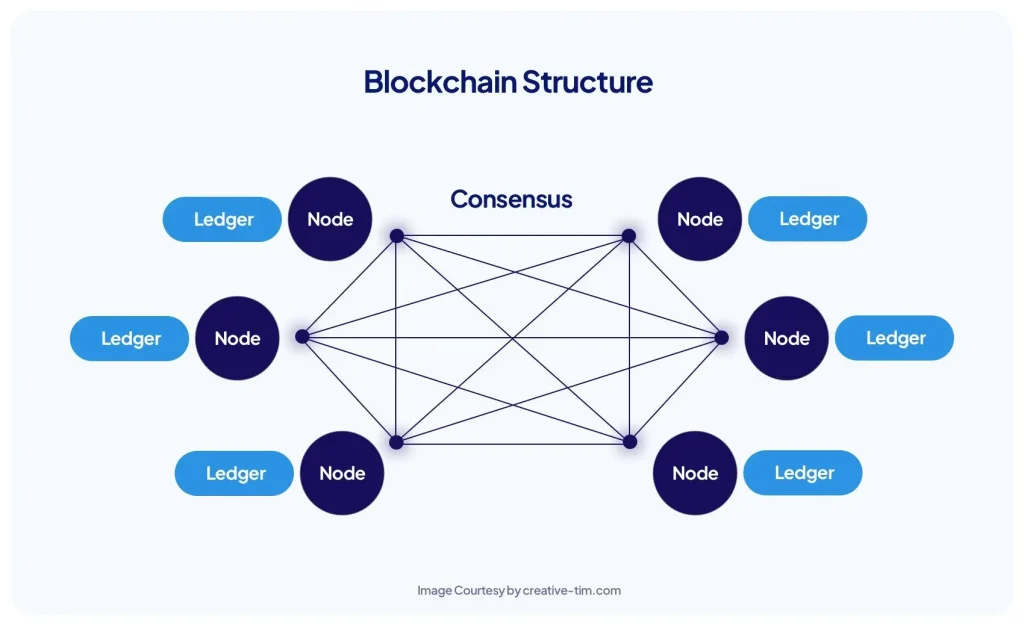
Blockchain technology is reshaping how organizations think about trust, transparency, and value exchange across industries. At its core, blockchain is a distributed ledger technology that securely records transactions across a network and grows a tamper-evident history. Smart contracts automate processes on this secure foundation, enabling scalable, autonomous workflows that expand blockchain use cases beyond cryptocurrency. While perceptions often center on coins, the real potential lies in how blockchain scalability and robust blockchain security can unlock efficiency and resilience. From supply chains to healthcare and finance, this technology promises verifiable data, reduced friction, and new business models.
In practical terms, such networks are distributed ledger systems that record interactions across a peer-to-peer infrastructure rather than in a single database. These decentralized record-keeping platforms leverage cryptography and consensus rules to ensure data integrity, auditability, and autonomy in process execution. By combining immutable ledgers with programmable rules—smart contracts—these platforms support new models for finance, supply chains, patient data, and identity management. Whether described as a blockchain-based ecosystem, a distributed ledger network, or a decentralized trust layer, the underlying promise remains: verifiable data without traditional intermediaries.
Blockchain technology in practice: real-world blockchain use cases powered by distributed ledger technology
Beyond digital coins, blockchain technology enables tangible improvements through real-world blockchain use cases that rest on a distributed ledger technology (DLT) foundation. This shared ledger records transactions across a network of participants, creating a transparent, auditable trail without relying on a central intermediary. In supply chains, provenance and quality assurance become traceable from origin to consumer, helping verify authenticity and reduce counterfeits. In healthcare, interoperable data sharing and consent management can improve care coordination while preserving privacy. Identity management benefits from user-controlled data, reducing dependence on single providers and strengthening privacy. In finance, tokenized assets and streamlined cross-border settlements illustrate how blockchain use cases extend far beyond cryptocurrencies, delivering efficiency and new value streams.
The strength of distributed ledger technology lies in distributed consensus, cryptographic security, and configurable access. By distributing data across many nodes and enabling tamper-evident records, it becomes easier to establish trust among diverse participants. Public, private, or consortium blockchain networks provide flexibility to balance openness with governance requirements, which is essential for regulated industries. When combined with smart contracts, these systems can automate complex workflows—ensuring compliance, reducing manual reconciliation, and enabling real-time visibility across functions. This combination of transparency and control helps organizations unlock operational resilience and potential competitive advantage.
Smart contracts, scalability, and security: engineering resilient blockchain-enabled systems
Smart contracts are at the heart of automating interactions on blockchain networks. These self-executing agreements encode terms directly in code, triggering actions when predefined conditions are met. They enable automated royalty distributions, escrow services, and streamlined fulfillment workflows, while deployment on decentralized applications (DApps) can unlock new business models. Because smart contracts operate on a distributed ledger technology backbone, they benefit from immutable records and verifiable execution, but their effectiveness hinges on rigorous development practices, formal verification, and continuous monitoring to prevent vulnerabilities that could compromise trust.
As organizations scale blockchain solutions, scalability and security become central design considerations. Throughput and latency constraints on public networks have driven the exploration of layer-2 protocols, sidechains, and, in some cases, sharding to increase transaction capacity without sacrificing security guarantees. Privacy considerations and governance frameworks are also critical; interoperability standards enable smooth data exchange across networks, while regulatory alignment supports broader adoption. By embedding robust security practices, sound governance, and scalable architectures, blockchain technology can deliver resilient, enterprise-grade systems that realize the technology’s promise beyond pilots and proofs of concept.
Frequently Asked Questions
What are blockchain use cases and how does distributed ledger technology enable blockchain solutions across industries?
Blockchain use cases extend far beyond digital currencies. Blockchain technology is built on distributed ledger technology that securely records transactions across many nodes, enabling transparency, trust, and automation via smart contracts. Real-world blockchain use cases include supply chain transparency, healthcare data management, identity management, and energy provenance, all supported by tamper-evident records and auditable data. By leveraging smart contracts and interoperable distributed ledger technology, organizations can streamline processes, reduce intermediaries, and unlock new business models.
How do blockchain scalability and blockchain security concerns affect the deployment of smart contracts and other distributed ledger technology solutions?
Blockchain scalability and blockchain security are central to reliable deployments. Scalability determines transaction throughput and settlement speed, influencing choices between public networks, private deployments, or layer-2 solutions such as sidechains. Security depends on cryptography, robust consensus, and the quality of smart contracts, requiring formal verification, code audits, and continuous monitoring to prevent vulnerabilities. Balancing scalability with governance, interoperability, and strong security practices helps ensure the successful adoption of smart contracts and other distributed ledger technology solutions across industries.
| Aspect | Key Points | Notes / Examples |
|---|---|---|
| What blockchain is | Distributed ledgers securely record transactions across many computers; data is replicated and blocks link to previous blocks to form an immutable chain. | Open or permissioned access; cryptographic security. |
| Core components | Distributed ledger, consensus mechanisms (PoW, PoS), immutability/auditability, smart contracts, privacy/permissioning. | Public vs private/consortium networks; various privacy controls. |
| Beyond cryptocurrency: Use cases | Use cases extend beyond digital currencies to improve trust, efficiency, and new business models. | Supply chain transparency; healthcare data management; identity and access management; financial services/trade finance; energy/sustainability; IP/provenance. |
| Smart contracts | Self-executing code that automates processes when conditions are met; enables automated royalties, escrows, DApps. | Reliability depends on clear code, testing, and monitoring to prevent vulnerabilities. |
| Scalability & security | Public networks may have throughput limits; layer-2 solutions, sharding, and sidechains aim to increase speed while preserving security. | Security relies on cryptography, consensus; governance and secure integration are also critical. |
| Adoption considerations | Governance, interoperability, and regulation; standards enable data exchange and regulatory clarity. | Pilot projects inform governance designs and interoperability needs. |
| Reality checks | Integration with legacy systems; data immutability vs privacy; talent gaps; economic models and governance. | Use middleware, data practices, training and partnerships to address challenges. |
| Practical blueprint | Define problem/outcome; choose network model; map data flows; pilot with KPIs; scale; invest in security/governance. | Guided, measurable path from pilot to broader adoption. |
| Conclusion | Blockchain technology provides a broader value beyond currencies by enabling distributed trust and programmable processes. | Focus on scalability, security, and governance to maximize impact across industries. |
Summary
Blockchain technology extends far beyond digital currencies, introducing a framework of distributed trust, verifiable data, and programmable processes that can transform how organizations operate. By enabling transparent record-keeping and automated interactions through smart contracts, it unlocks efficiencies, reduces reliance on intermediaries, and fosters new business models across industries such as supply chain, finance, healthcare, and energy. However, realizing these benefits requires thoughtful attention to scalability, security, governance, and regulatory alignment. As adoption grows, interoperable standards and robust security practices will shape how quickly and effectively Blockchain technology reshapes the competitive landscape.