
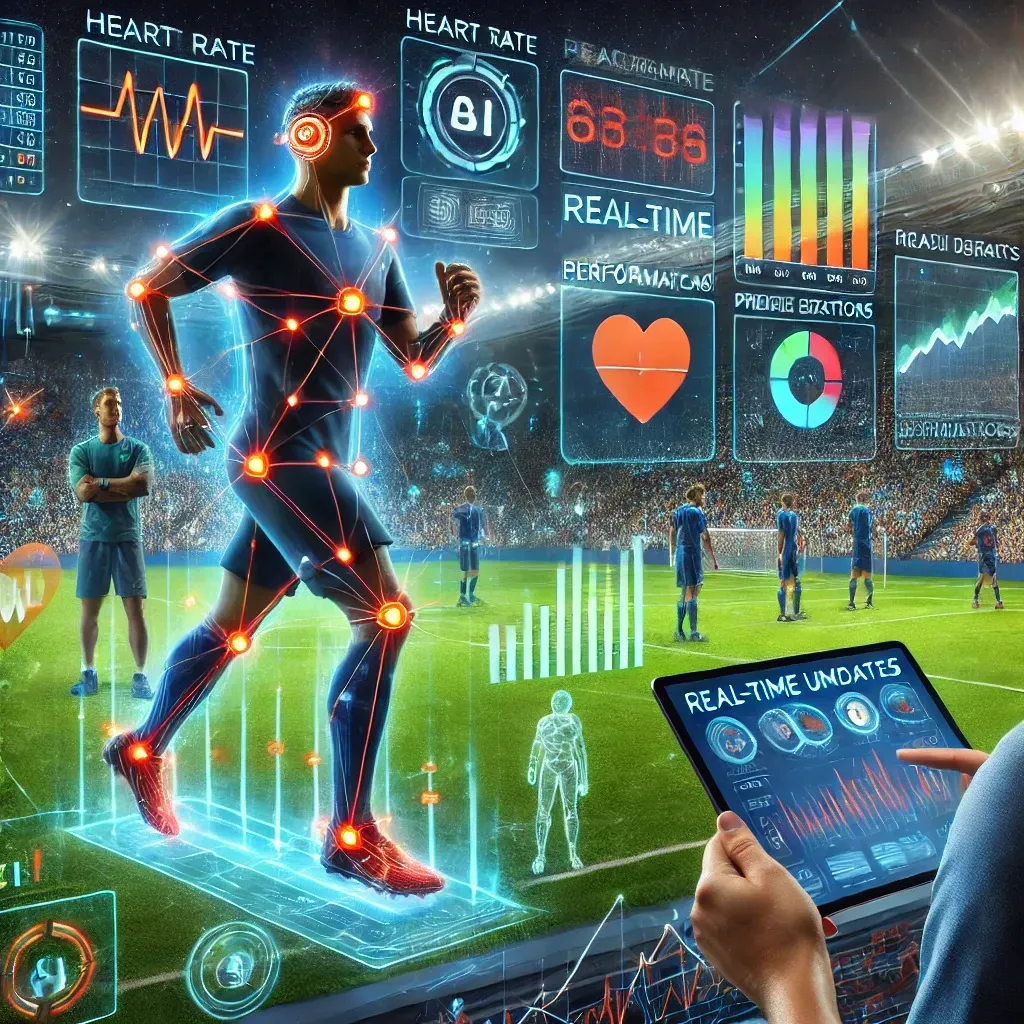
Sports analytics has moved from a niche discipline to a core part of how teams compete. By turning raw numbers into actionable insight, this field relies on data in sports to inform data-driven decisions across performance, recruitment, and operations. The work sits at the intersection of statistics, computer science, physiology, and game strategy, blending sports data analysis with performance analytics in sports and data-driven strategies to create measurable impact. From player tracking data to wearable sensors and video analysis, practitioners translate signals into clear guidance that can shape practice plans, lineups, and game plans. In short, the goal is to turn data into reliable insights that support data-driven decisions both on and off the field.
Viewed through the lens of sport data science, the discipline frames how quantitative methods illuminate athletic performance and coaching choices. Analysts employ advanced statistics, pattern recognition, and predictive modeling to forecast outcomes, optimize training loads, and guide roster decisions. This analytic approach converts streams from movement tracking, wearable sensors, and video into actionable insights that support data-driven strategies and informed scouting. In practice, teams rely on a blend of descriptive dashboards, contextual data, and machine learning tools to translate data into concrete actions on the field and in the front office. By aligning measurement with strategy, the field helps organizations make objective decisions while remaining attuned to human judgment.
Sports Analytics in Action: Driving Data-Driven Decisions for Peak Performance
In modern sports, Sports Analytics transforms granular data into strategic actions. Data in sports—from event logs and tracking data to wearable physiology and video content—feeds analytical models that reveal patterns in performance, workload, and fatigue. This translation from raw numbers to actionable insight underpins data-driven decisions that shape training plans, player development, and in-game tactics.
Organizations implement data-driven strategies by examining spacing, motion, and shot quality to understand what drives success beyond traditional box-score metrics. Performance analytics in sports helps coaches optimize lineups, manage workloads, and tailor practice to maximize efficiency while reducing risk. The aim is to augment human judgment with evidence, ensuring insights translate into concrete improvements on game day.
From Data in Sports to Strategic Recruitment and Risk Management
Data-driven decisions extend into recruitment and talent development, where sports data analysis informs forecasting and comparison across leagues. By combining historical performance with context such as schedule density and travel, teams identify undervalued players and project future contributions, strengthening data-driven decisions about scouting and contracts.
Beyond performance, data quality, privacy, and governance shape how analytics teams operate. Injury prevention, workload monitoring, and return-to-play decisions rely on robust data-driven strategies to minimize risk. As analytics mature, collaboration between analysts and coaches—bridging data in sports with practical coaching wisdom—will define the future of performance analytics in sports.
Frequently Asked Questions
How does sports analytics turn data in sports into actionable performance insights?
Sports analytics converts data in sports from sources like tracking, event logs, and physiological sensors into actionable insights that inform training plans, player development, and game strategy. By applying descriptive and predictive models, teams translate metrics into data-driven decisions that guide practice design, lineup choices, and match planning.
What role do data-driven strategies and sports data analysis play in recruitment and in-game decisions?
Data-driven strategies, supported by sports data analysis, help clubs identify undervalued talent, forecast future performance, and optimize rosters. They also guide in-game decisions such as substitutions and tactical adjustments by measuring pace, spacing, and risk, reflecting the principles of performance analytics in sports.
| Aspect | Key Points |
|---|---|
| Definition | Sports analytics blends statistics, computer science, physiology, and game strategy to turn data into actionable insights for performance, recruitment, and operations. |
| Data Sources | Event data, tracking data, physiological data, video data, and contextual data provide a comprehensive view of performance and potential. |
| Key Metrics | Player-level metrics (scoring efficiency, movement, defense), Team-level metrics (pace, offensive/defensive ratings), and expected-value metrics (xG, xA). |
| Applications | Performance optimization, scouting and recruitment, injury prevention and recovery, and in-game strategy. |
| Toolkit & Methods | Exploratory data analysis, predictive modeling, machine learning, visualization, and data governance. |
| Human Element | Communication and storytelling translate numbers into actionable decisions for coaches, GMs, players, and medical staff. |
| Challenges & Ethics | Privacy, bias, data quality, security, and balancing metrics with coaching judgment. |
| Future Trends | Real-time analytics, wearables, computer vision, NLP, and increasingly collaborative data ecosystems. |
Summary
Sports analytics is reshaping the way teams approach performance, strategy, and operations. By integrating data from multiple sources with rigorous analytics, organizations can align goals, validate decisions, and push performance to new heights. While numbers drive many changes, the human element remains essential: data-informed decisions supported by experience, curiosity, and thoughtful leadership will define success in the age of data-driven sports.